 today's harvest, tonight's salad

just because they're peaking


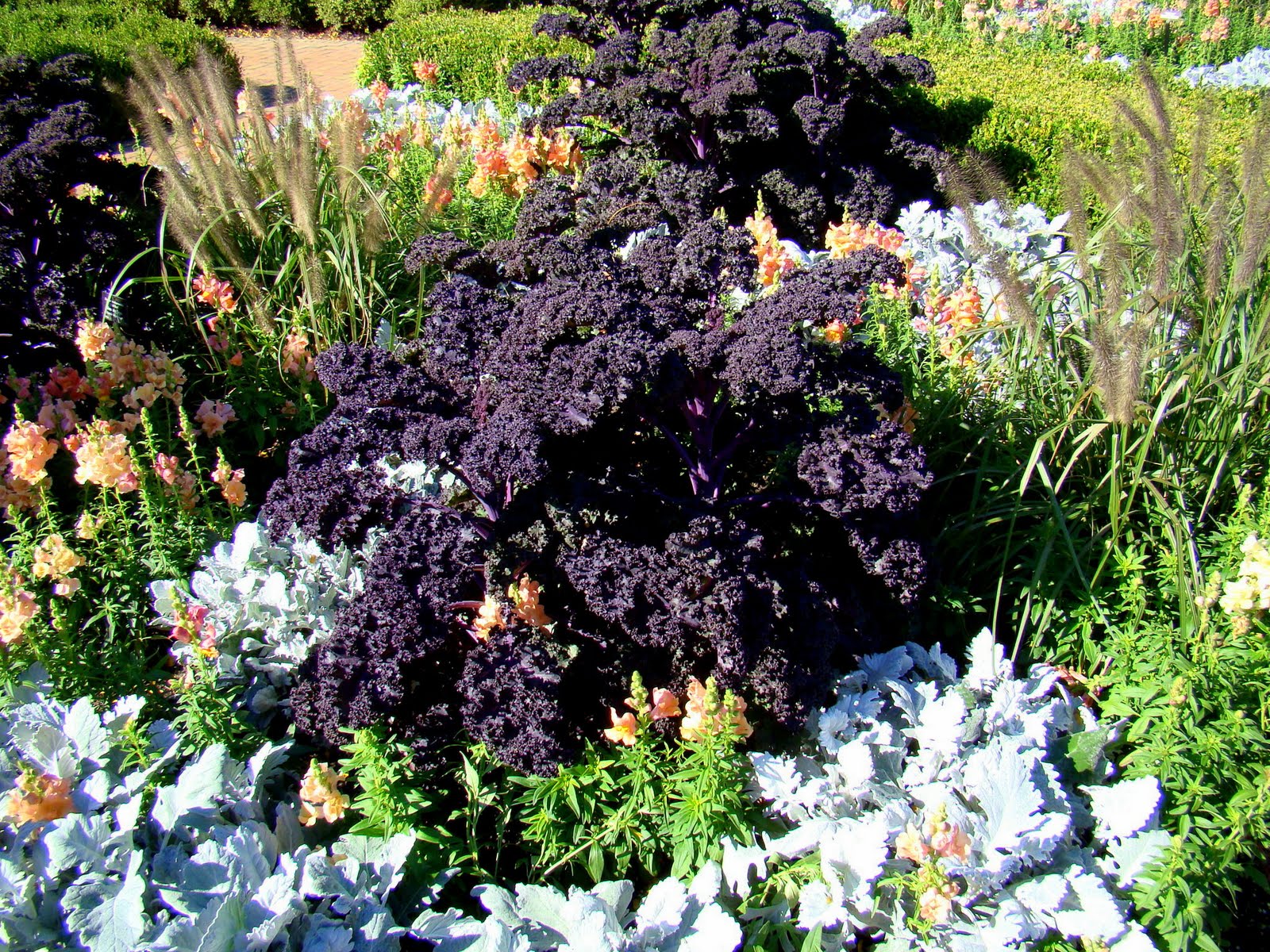 Redbor kale at Chicago Botanic Garden (September 2010)
Knowlege is power. We can make a difference by educating ourselves and voting every day with our wallets. Together we can push to the tipping point what may be one of the most pressing health issues of our time. For the health of our children and their children, if you haven't already, please educate yourself and share your knowledge with family and friends. For more information please visit The Institute for Responsible Technology.
 Yay - the first cucumber! Last year cucumbers were started in the basement around May 1st, and they produced like crazy beginning in early July. We had such a bumper crop I ended up making several jars of bread and butter pickles with the extras we didn't consume or give away. We've been enjoying the delicious (if I do say so myself) pickles since, and the last jar is almost empty.
 gratuitous dragonfly photo
Speaking of bumper crops, we've had a bumper crop of dragonflies this year. I've had several up-close and personal encounters with them, having them land on me and land nearby. A couple of weeks ago one landed on a daylily in a client's garden, and seemed to be checking me out quite intensely, for a really long time. As I moved around the garden, he followed, and was my companion for at least 20 minutes. I've wished the camera was with me to capture images of the dragonflies encountered this season.
This one was resting here for a nice long time, and was accommodating enough to wait for me to grab the camera. I believe it's a female Green Darner.
Have a wonderful weekend everyone!
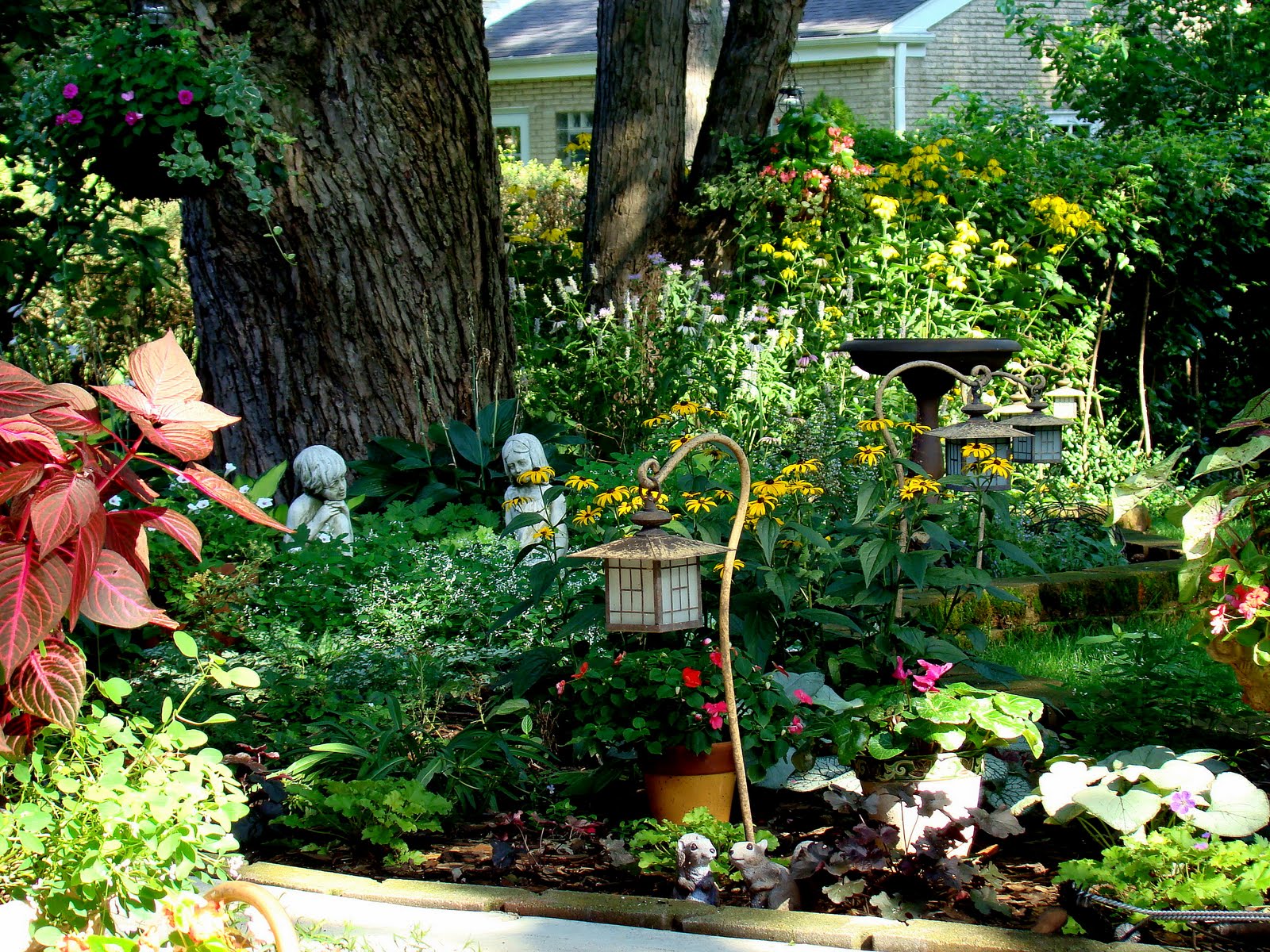 This season marks seven years since moving here and starting our shade garden. Slow and sometimes frustrating in earlier years, it feels like this season the garden has finally come into its own. While the garden will continue to evolve and tweaking will continue as long as gardening here continues, this season, all season, as I look upon the garden, I feel pleased.
 Tomatoes are happier on the west side, and peppers on the east.


 The original veggie bed in our west side yard is ready to go! In honor of St. Patrick's Day last week, the trellis was put in, along with seeds for peas, radishes, lettuce, beets, and bunching onions. After many years without a veggie garden, we're looking forward to our second year successfully growing veggies in part sun with our new veggie space.
Apologies to Balisha for losing your comment - Blogger did something weird shortly after I published the original version of this post. The post disappeared and I had to start from scratch.
 Now sleeping with a thick layer of leaves and grass clippings that should make a nice mulch in the spring, the veggie bed is a good spot for overwintering a few plants that didn't quite make it into the shade garden or front foundation beds this fall. We had walks and the patio replaced this fall, and I lost a small border on one side of the house in the process. Plants grown for Native Seed Gardeners were in that border. They were transplanted for safekeeping into the veggie bed back in September, and will be moved to new homes early next spring.
 I shared some veggies with family and friends, and made tomato juice, blanched and froze extra green beans, diced and froze extra peppers, and made pickled jalapenos, pickled green tomatoes, and bread-and-butter cucumber pickles. . . all from our new little raised veggie bed in a part-sun side yard, built late last fall using retaining wall pavers with a thick layer of newspaper at the bottom to kill the grass, and alternating 'lasagna' layers of compost, fallen leaves, and grass clippings. Over the winter the layers aged. By spring we had the most beautiful garden soil, rich, crumbly, and full of earthworms.
Newspaper-lined, lasagna-style, raised, mulched beds have made a believer out of me. I don't think I pulled more than ten weed seedlings from the veggie bed all season. Watering was minimal, limited to about six weeks midsummer when we had no rain. The soil held moisture very well, and the mulch helped prevent evaporation. I've never had such a small vegetable garden before. I'm still amazed how little work, and how productive our little bed was. I can hardly wait for next year!
 The twins are doing great - growing nicely, getting a little bigger every day.
Besides being delicious, winter squash is a nutritional powerhouse high in nutrients such as vitamins A, and C, potassium, manganese, folic acid and other B vitamins, omega 3 fatty acids and fiber, and low in fat. In addition, properly cut from the vine, cured, and stored under the right cool, dry conditions with space between them for air circulation, winter squash can be stored for several months.
When ripe, the twins will be deep orange and green. Lakota squash is described as having a sweet, smooth, nutty flavor, similar to Red Kuri, which I love.
If I hadn't tried Red Kuri squash a couple years ago and then couldn't find it anywhere again, I might not have a veggie garden this summer. I can hardly wait to try these squash, and the Red Kuri too!

 The client envisioned the project taking place over time, and was realistic in not expecting that everything would be done in one season. Still, I ultimately decided I was probably not the best fit for the project.
 Being a celebrity and all, I think Mr. Bayless could probably afford a hoity-toity back yard. This place was lovely, don't get me wrong, but it was also very 'normal.' It was rustic, warm, family-friendly, unique, wonderful for entertaining, and just so darned down-to-earth. It was a garden that had clearly developed over time, and continues to evolve, just like the gardens of most of us average, everyday people.
 Small personal touches brought character into the space.
 A conduit trellis supports an espaliered apple tree. Nothing fancy - this is something just about anyone could do. I loved the creative use of very ordinary, accessible materials.
 Another accessible, affordable idea, a mister system cools and moistens the soil, aids in seed sprouting, and facilitates succession planting even in the hot, often dry summer months in Chicago.
 Bill Shores showing and telling us all about the kitchen garden.
 Bill and Lori Shores, our hosts for this tour. They couldn't have been more warm and welcoming.

