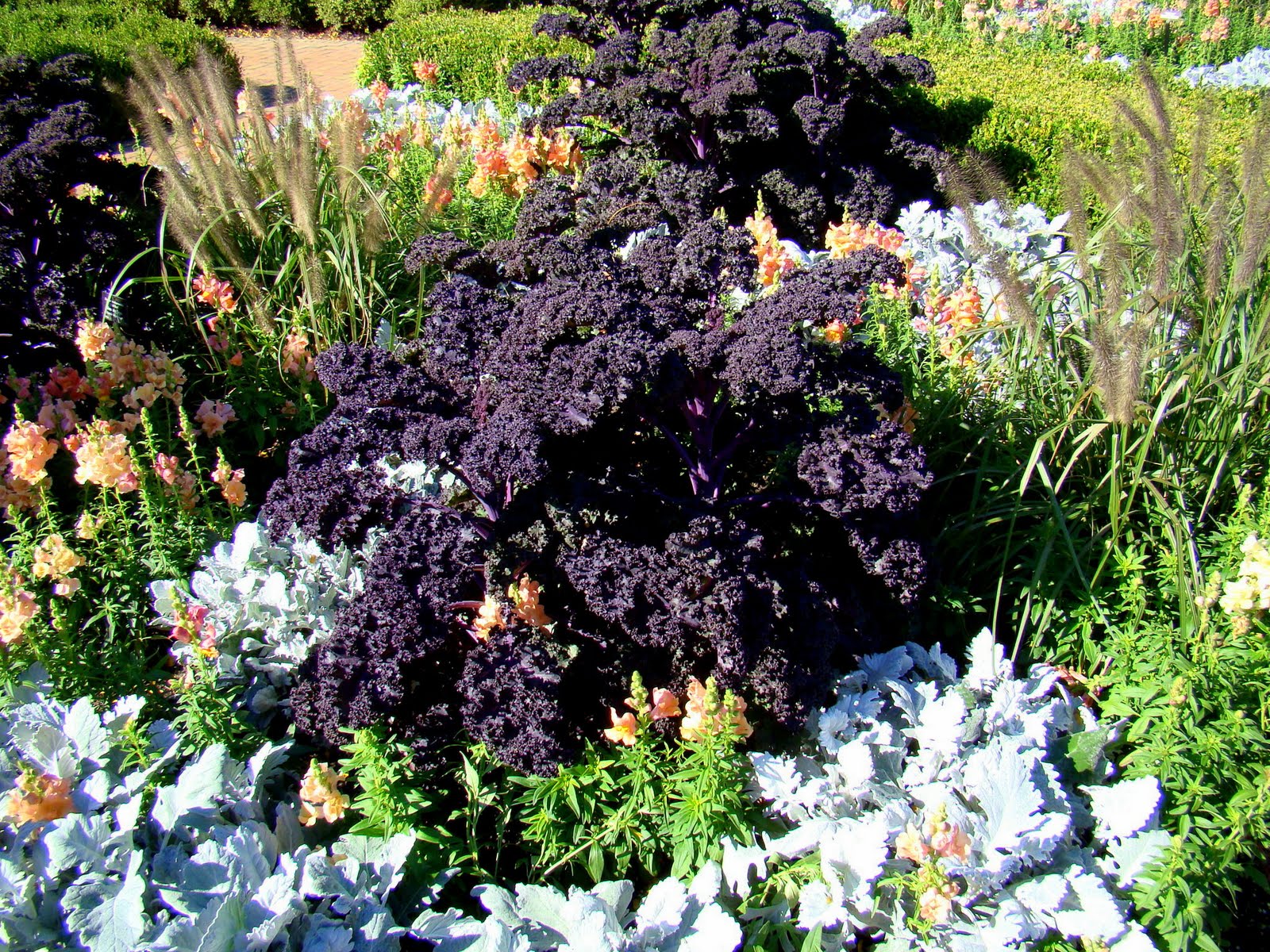
This is a colorful, elegant salad that's a pleasure serving with love and a toast to good health, made from one of the most nutrient-dense vegetables available. One cup of this delicious salad provides 1,300% DV vitamin K, 200% DV vitamin A, 88% DV vitamin C, and many other nutrients including protein, minerals like manganese, magnesium, calcium, and copper, antioxidants like Superoxide Dismutase, sulforaphane, lutein, kaempferol, and quercetin, and other phytonutrients including at least 45 different flavonoids.
Tuscan Kale Salad
Tuscan Kale Salad
Ingredients*:
4-6 cups loosely packed, finely sliced kale leaves with center ribs removed. (I use Lacinato (dinosaur) kale. Any variety of kale can be used.)
two shredded carrots
one diced red, yellow, or purple sweet pepper. (Either raw or frozen peppers work well in this salad.)
juice of 1 medium lemon
1 tablespoon organic raw apple cider vinegar
3-4 tablespoons extra-virgin olive oil
2 small or l large clove(s) garlic, mashed
1/4 c fresh chopped parsley (or 2 t dried)
1 T fresh chopped basil (or 1 t dried)
1 T fresh chopped oregano (or 1t dried)
Celtic or Himalayan salt & pepper to taste
red pepper flakes to taste
2/3 cup grated Pecorino Toscano or other flavorful Italian grating cheese like asiago or parmesan
two shredded carrots
one diced red, yellow, or purple sweet pepper. (Either raw or frozen peppers work well in this salad.)
juice of 1 medium lemon
1 tablespoon organic raw apple cider vinegar
3-4 tablespoons extra-virgin olive oil
2 small or l large clove(s) garlic, mashed
1/4 c fresh chopped parsley (or 2 t dried)
1 T fresh chopped basil (or 1 t dried)
1 T fresh chopped oregano (or 1t dried)
Celtic or Himalayan salt & pepper to taste
red pepper flakes to taste
2/3 cup grated Pecorino Toscano or other flavorful Italian grating cheese like asiago or parmesan
*Use as many organic ingredients as possible. Feel free to substitute your choice of herbs.
Method
"Massage" the shredded kale leaves with clean hands. This helps tenderize it and develop sulforaphane. Combine kale, shredded carrots, and diced pepper.
Whisk together lemon juice, olive oil, garlic, herbs, salt, pepper. For an extra kick, add a pinch (or more to taste) of hot red pepper flakes.
Pour over kale in serving bowl and toss well.
Add 2/3 of the cheese and toss again. Garnish with the rest of the cheese.
This salad should be prepared at least a few hours in advance, and keeps well for a couple of days covered in the refrigerator. Many raw fruits and veggies are difficult for me to eat due to my digestive disease. When I first tried kale, both raw and cooked, it didn't seem to be a vegetable I could tolerate. Advance preparation of this salad though, combined with lemon and raw cider vinegar, not only helps develop the sulforaphane, it also tenderizes the kale, making it easily digestible even for someone like me with a very sensitive digestive system.