Showing posts with label raw foods for dogs. Show all posts

Thursday, November 11, 2010

Superoxide Dismutase is Expialidoshus

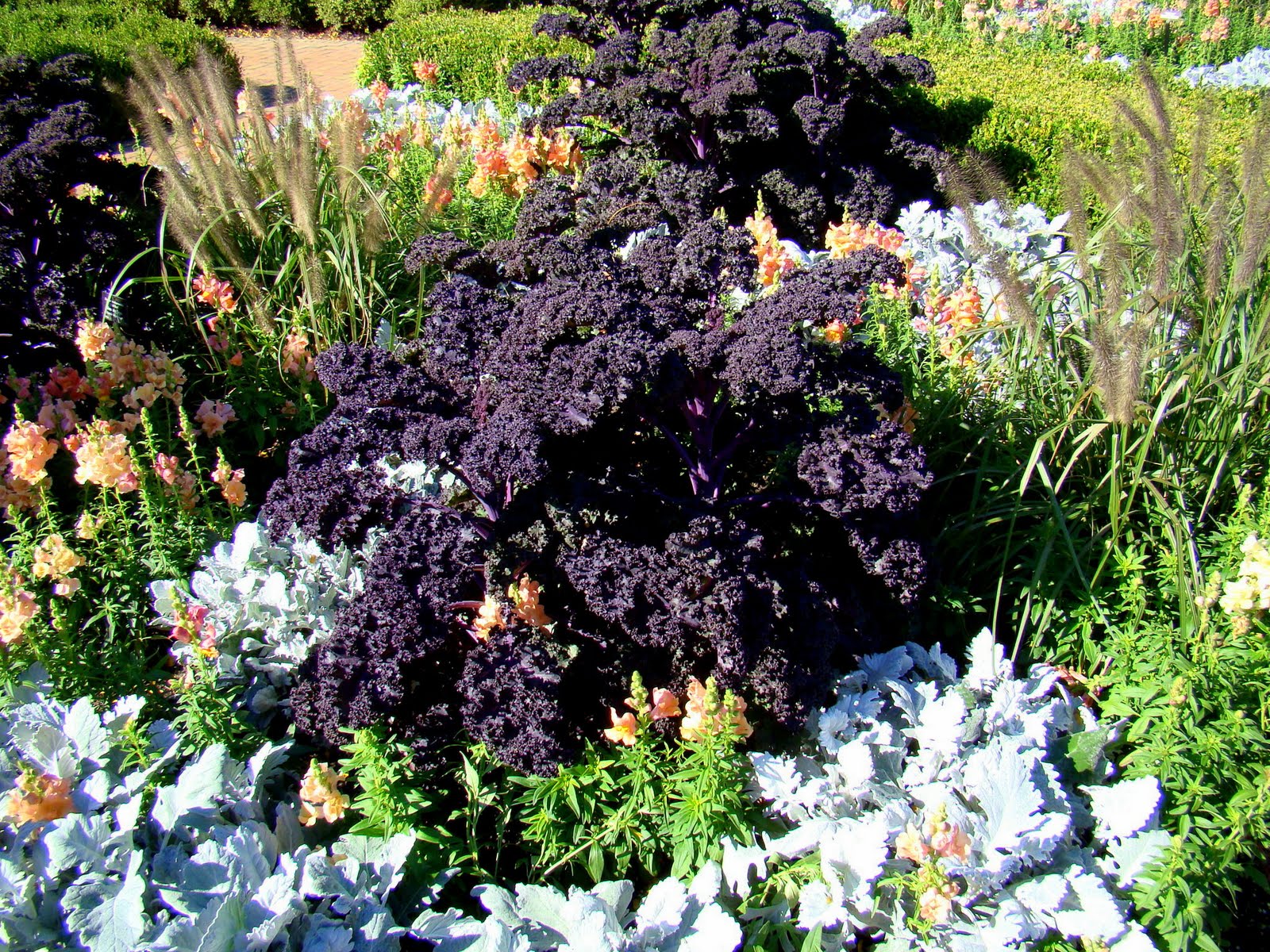
Redbor kale at Chicago Botanic Garden (September 2010)

Superoxide Dismutase is Expialidoshus,
Even if the sound of it is something quite atrocious.
If you say it loud enough you'll always sound precocious,
Superoxide Dismutase is Expialidoshus!

Kale is rich in antioxidant, anti-inflammatory, and anti-cancer nutrients. For example, Superoxide Dismutase (SOD,) is an important phytonutrient, an antioxidant abundantly present in kale. Kale is an all-around nutritional powerhouse; rich in calcium, iron, magnesium, manganese, lutein, beta-carotene, omega-3 (ALA,) at least 45 different antioxidant flavonoids, fiber, and vitamins A, C, and K. It's a sulfur-rich vegetable, which in part accounts for its reputation as a detoxifying, medicinal superfood. Sulforaphane is formed when sulfur-rich cruciferous vegetables such as kale are chopped and chewed. Sulforaphane triggers the liver's production of detoxifying enzymes, helping the body cleanse itself of some of the dangerous environmental and ingested toxins we're exposed to in this chemical age.

We're growing kale in our garden for the first time. I didn't know much about it when it was planted, only that it looked cool, and would be one of the hardiest vegetables I'd ever grown. While this might be the first time kale has grown here, it won't be the last now that I know what a fantastic food it is. And, while most of the veggies are now toast following a killing frost last week, our kale is still beautiful and delicious. We can expect to still be harvesting it for weeks to come, even here in our zone 5 garden. In fact, like brussels sprouts, the flavor of kale improves and becomes even sweeter with the frost and typically chilly weather of November in Chicago.

There are many delicious ways to enjoy kale, either raw or cooked. It can even be a beneficial addition to a beloved pet's diet. George enjoys it immensely. He eats his kale raw, finely chopped and mixed in with his homemade, whole-foods diet. Kale is one of a variety of nutritious vegetables recommended by George's new holistic veterinarian. It's so rewarding knowing I'm growing some of the food that is nourishing him through his remarkable recovery from a number of geriatric health challenges.

Back in September, when I met up with Monica, Diane, Rose, and Beckie at Chicago Botanic Garden, we saw Redbor kale not only in the vegetable gardens, but also in ornamental plantings throughout the gardens. As you can see in the photo, it is really beautiful. For ornamental gardeners who don't have dedicated vegetable growing space, consider adding kale to your ornamental beds for its beauty, and be sure to harvest some for your kitchen for your own inner beauty and good health!

Sunday, October 10, 2010

Gardening for George

Just before Christmas, George will turn ten years old. He's definitely not a puppy anymore. In the last three years he's developed some health challenges, including hypothyroidism, unhealthy weight gain, and chronic staph skin infections. His hip dysplasia and arthritis have worsened. He walks with a pronounced limp, gets up and down from a reclining position, and on stairs with difficulty. He's shortened his stride with his back left leg, and had developed considerable swelling and atrophy in his left hip.

I've done a lot of research on geriatric pet health in recent months, and was pretty mortified about what I learned about most commercial pet foods. In an effort to improve his quality of life for however much time he has left with us, George recently visited a holistic veterinarian. We're in the process of transitioning his diet from commercial dry kibble to a homemade grain-free and raw diet. He's now enjoying a smorgasbord of homemade lightly-steamed turkey, dark green vegetables, sweet potatoes, raw eggs, water-packed sardines, wild salmon, fish oil, (raw, organic, unrefined) extra-virgin coconut oil, glucosamine and chondroitin, a high-quality prepared commercial raw dog food, and a blend of Chinese herbs targeted to improve the condition of his liver, joints, and skin.


This year we grew dinosaur kale in the garden. Early in the season I realized it didn't agree with me, so I've just been letting it grow, enjoying it's wonderfully crinkly blue-green leaves.

Since starting to grow veggies here two years ago, George has enjoyed keeping me company while I work in the beds, especially when I'm picking peas and green beans - two of the veggies, along with kale, that his new vet has recommended. He's been enjoying peas and green beans in season, picked fresh and served immediately. Little did I know when I planted all this kale that I wouldn't be able to eat it, but that it would help George get healthier.

In three short weeks since beginning to modify his diet, George's skin infection is gone, his fur is growing back, his coat is shinier, he has more energy, he's taking longer strides, his hip swelling has gone down considerably, he's even enjoying exercise again, and he's losing his excess weight. He's a lab mix, and being a retriever, he's always loved chasing sticks, balls, frisbees, and his stuffed toys. We haven't been able to play with him like that in the last couple of years - he would get too sore and stiff.

In just the last week or so, he's back to running around, chasing his toys, and enjoying a whole new, more active, less painful, and more fun life. He gets up and down more easily, and seems to be on his way to much healthier days ahead. We're looking forward to a better quality of life for however long he has left, maybe even a longer life than he might have had if we'd continued his old diet, and hopefully much lower vet bills than he's had the last couple of years.

It never occurred to me when starting the veggie beds that George would also benefit from our fresh, organic produce, or that the kale I planted this spring that seemed as if it might go to waste, would become part of what was needed for improving our sweet doggie's health and quality of life.