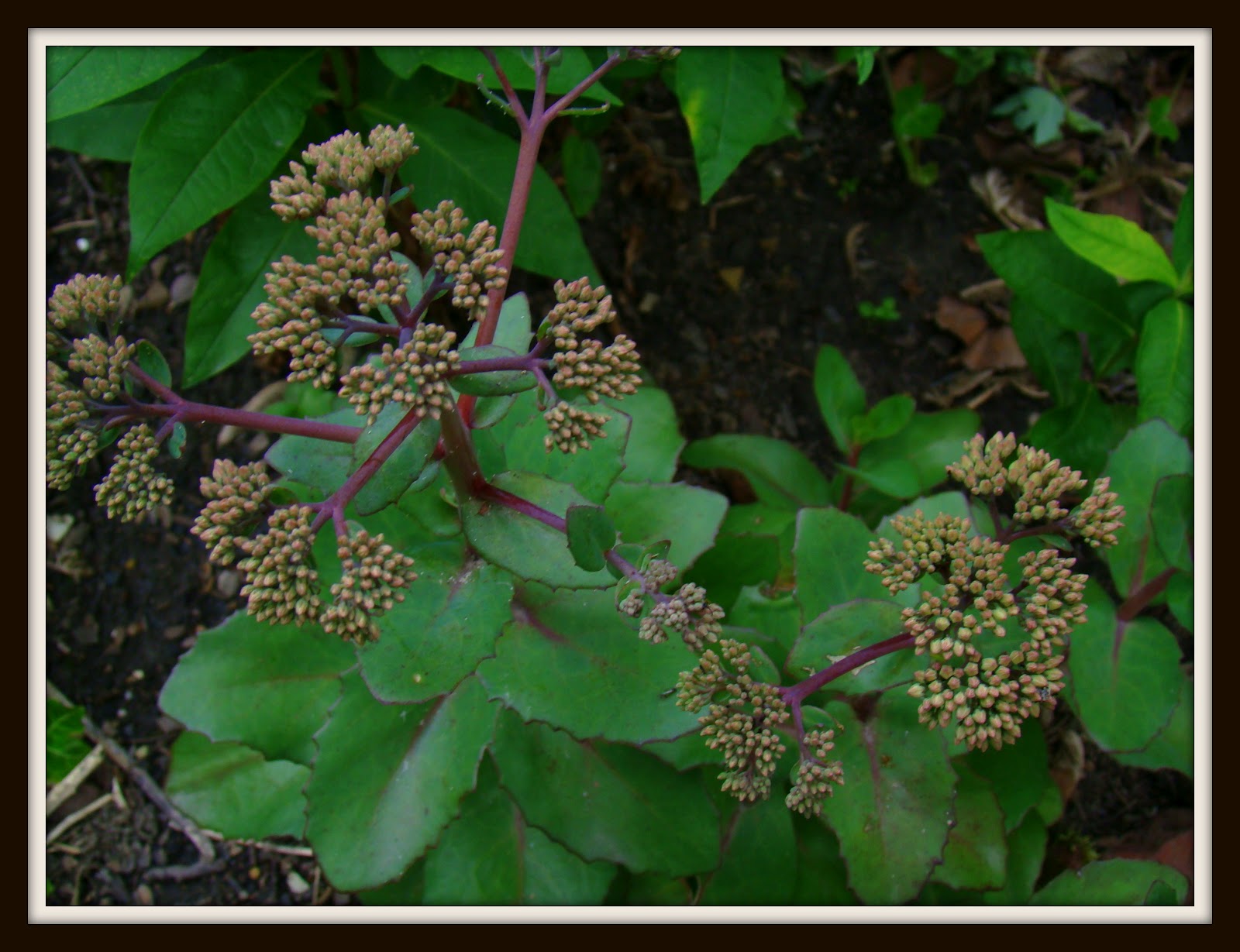
Showing posts with label Asclepias purpurascens. Show all posts

Wednesday, June 26, 2013

Wildflower Wednesday


Crazy weather seems to be the norm in the Chicago area this spring, and now summer.  A derecho blew through our area suddenly last night, but didn't seem to cause much damage in our garden.  The minor hail damage on the foliage in this post is from another recent storm.  In spite of our crazy weather so far this season though, wildflowers are thriving in our garden.  

I may have made peace with Ruellia humilis, a native petunia who likes to sprawl and seed herself all over the place.  I pinched them back hard in early May, and even with our record rains, they are standing upright.  As for the rampant self-seeding, last year after they bloomed I cut them way back again, and this spring we've had only a few seedlings.  So as long as I can keep them in check, they'll be sticking around.


Tradescantia Ohiensis - Ohio spiderwort is another purple-flowering native blooming in our garden this month.  The spiderworts bloom well in a pretty shady area, while the ruellias weren't happy there at all and are now situated in full sun in our front foundation landscape.


Asclepias purpurascens - purple milkweed, has been here a few years, and has never set set seeds yet.  I've seen hummingbirds nectaring on these blooms for the first time this year, and hope they're doing some pollinating in the process.  I'd love to be able to collect seeds from this gorgeous plant.  It's the only asclepias that has thrived and bloomed in our part-sun garden.


  I think this is Oenethera fruticosa - narrow-leaf evening primrose.  I had these many years ago in a previous garden. They were passalong plants back then, and the gardening neighbor who shared them with me called them sundrops.


It's hard to pick a favorite June-blooming native in our garden.  If I had to, Indian pink  (Spigelia marilandica) might be the one.  Their red and yellow blooms are unique and so interesting.  Although hummingbirds are said to love these, I've yet to see them visit ours.   I'd hoped to see some seedlings here.  Since none have appeared after four years, last fall I divided our single plant and now there are two.

Wednesday, June 27, 2012

A Seedy Wildflower Wednesday


There's lots to love about native plants and wildflowers, and thanks to Gail, garden bloggers celebrate them on the 4th Wednesday of each month, also known as Wildflower Wednesday.

Before celebrating our garden's wildflowers, I've got a bone to pick with Ruellia humilis, wild petunias, above.) They used to live in our back garden, and still weren't blooming after being there four years. So two years ago they were moved to full sun in front where they seem much happier. They're pretty plants, with nice, clean foliage, and sweet lavender-hued blooms. So what's not to love? Well . . . here they're the self-seeding-est plants I've ever grown! I'm not sure the ruellias will be sticking around much longer. I wanted them to bloom of course, but ended up with far more than I bargained for with their hundreds (thousands?) of seedlings. As a wise person once said, "Be careful what you ask for!"


Asclepias purpurescens - purple milkweed, on the other hand, has not been a thug.  In its third year, last summer it bloomed for the first time.  This year the blooms were far more impressive, but like last year they weren't pollinated.  I was sorry to see the flowers fall off last week with no sign of seeds.  This plant is being grown for Native Seed Gardeners,  Maybe next year we'll have seeds to send.  


It might be Erigeron strigosus or Erigeron annuus. Either way, it's native in Illinois, and in many other states. Common names include daisy fleabane. This was the only seedling that grew from a packet of marsh marigold seeds started last  year. It baffled me more than a little since the foliage didn't look anything like a marsh marigold. It was tended in a pot all through last summer, and planted in a nice, moist spot last fall just in case.

When it started blooming earlier this month and was identified, it was tempting to pull it out.  But it's grown on me.  It's actually a pretty plant and it's fun watching the goldfinches all over it, eating the seeds.  It makes me happy seeing them fed by our surprise wildflower. Daisy fleabane can be annual, biennial, or a short-lived perennial. I hope the goldfinches eat all the seeds, or at least that it's not a thuggish self-seeder.


Spigelia marilandica, also known as Indian Pink, bloomed early this year and is just about finished.  It will usually  rebloom later in the summer.  After three years I've yet to find a seedling.  So this year it was divided.  Hummingbirds love this plant, and so do I.  The red and yellow flowers are so unique and interesting.


Echinacea purpurea - coneflowers, of course, are just starting to bloom.  I had a hard time growing coneflowers here at first.  Cultivars would bloom for a season and never come back the following year.  Finally a few years ago I bought a $3.00 packet of Echinacea purpurea seeds.  They sprouted, grew, and bloomed their first year, and return every spring.   Some of the fancy cultivars seem to do well in other gardens, but here the natives do best.

Coneflowers can be pretty rampant self-sowers, but here, goldfinches devour the seeds, often before the flowers have even faded. It's rare to find a coneflower seedling in our garden.


Stokesia laevis, or Stoke's Aster might be the species, or it might be a cultivar.   Stokesias aren't actually native to Illinois, but they are in several southeastern states.  Ours came from a garden that was getting an  overhaul, saved in December as they froze in a heap of uprooted plants begging to be rescued.  The Stokesias and a couple of epimediums from that garden spent their first winter here in the vegetable garden.  They survived and were moved to their current homes in our shady backyard, and have been happy here ever since. Stokesia flower stems tend to get a bit  floppy from the weight of the blooms, but I like them anyway.  Even cultivars will  self-seed, but so far there haven't had any seedlings here.


Hope you enjoyed the wildflowers blooming in our garden this hot, dry June.  Please visit Gail at Clay and Limestone to see what's blooming in her garden, and follow the links to see more wildflowers blooming in gardens everywhere.


Thursday, June 14, 2012

June Bloom Day


Hard to believe it's mid-June already, and time for Bloom Day!  It's been busier than usual, hotter than usual, and much drier than usual this month, much like the rest of Spring 2012 in our little corner of the world.

Still, Bloom Day goes on, and these are some favorite blooms in our garden this month. Tree pruning last year left us with a bit more sun, and that's meant more blooms at once than ever before on this 8-year-old mini rose.


Borage grown from seeds from Renee's Garden last year happily reseeded, and are most welcome for their second year.


The ballast on our basement light burned out this winter.  It was replaced under warranty but in the meantime most of the overwintered plants didn't fare well including a poor fuchsia.  Since the hummingbirds love them so much, we sprung for a new one.  The buds look like little lanterns.


Centaurea montana has been blooming for several weeks.  We're enjoying the last few blooms, and so are the bees.


'Happy Returns' daylilies generally start blooming here in June.  Some summers they go nonstop until October.  Other years they rest a few weeks between bloom periods.


Salvia nemorosa 'Blue Hill' is another long-blooming perennial here.  Last year they bloomed all summer. Aside from it's long bloom and attractiveness to pollinators, it has among the cleanest foliage I've seen on a salvia. 


Some years heavy rains have rotted Rieger begonias.  Not this year.  Rain has been far too scarce.


Heuchera x villosa 'Mocha'  has become a favorite of the coral bells we grow here.  The photo doesn't do justice to its large, rich, coffee-colored foliage.  This heuchera blooms all summer.  Even when the bunnies eat the bloom spikes I don't fret, since there will always be more.  The flower spikes are really pretty in cut flower arrangements, and they glow in morning sunlight in the garden.


Geranium 'Rozanne' is another long-blooming perennial, even with very little sun.  It gets dappled sunlight here a few hours a day, but still manages to bloom from June through the first hard frost.


Overwintered Dragon Wing begonias didn't fare well after the ballast for the basement light burned out, so we sprung for new ones.  They're a container staple here in our shady conditions.  They're so easy care, and bloom beautifully all summer.


Two  pelargoniums in this pot survived the ballast debacle and are starting to bloom.  Besides the two pelargoniums (commonly called geraniums,) basement survivors, this pot has a few cell pak impatiens, some ivy, purple fountain grass, a couple of orphaned celosias given to me by my favorite local nursery since their cell-pak mates were dead, and a couple of 'Crystal Palace Gem' pelargoniums.  'Crystal Palace Gem' is a cultivar that's been around since the 1800's.  They have great chartreuse foliage that's so pretty, who cares whether they bloom.


A stem on Asclepias purpurascens suddenly wilted inexplicably, so it was cut back.  The flower head came indoors to be enjoyed, along with a few sprigs of curly parsley.


March was uncharacteristically warm here. The heat jump-started many perennials, and we've had a lot of early bloomers. None have been so early though, as this sedum, 'Matrona,' budding several weeks earlier than usual. 

To see more June blooms from gardens around the country and around the world, please visit the host of Garden Bloggers' Bloom Day, Carol at May Dreams Gardens.

Wednesday, June 22, 2011

Wildflower Wednesday


Asclepias purpurascens, (purple milkweed) is blooming albiet sparsely, for the first time ever. Added to our garden three years ago, purple milkweed is one of few asclepias that prefer part sun, although it will also grow in full sun to part shade. If these two little blooms are pollinated and set seed, the seeds will be collected and sent to Native Seed Gardeners, an organization that uses volunteer home gardeners to grow and harvest native plant seeds for restoration of protected conservation landscapes in the Spring Creek Forest Preserves in Chicago's north suburbs.

Purple milkweed is primarily pollinated by long-tongued bees, butterflies, and skippers, and Monarch butterflies feed on its foliage. Fortunately, it's rarely bothered by rabbits and deer, thanks to its bitter-tasting, toxic foliage. Although we don't have deer issues in our garden, we do have a lot of bunnies, and they can wreak havoc on vulnerable plants and shrubs here.

I found a little piece of the milkweed broken off a few weeks ago. A few lower leaves were removed, and it went into moist potting mix in our cool basement where a few summer vegetables are being started from seeds. The little cutting rooted easily with no special care, and is already growing and sprouting a crop of new leaves.


A favorite native in our garden,
Spigelia marilandica, or Indian pink, just started blooming this week. Attractive to hummingbirds, Indian pink is easy grow, and prefers well-drained, fertile soil in part sun to part shade. Gail grows this in her garden too, so I think it's safe to say that while it may prefer well-drained soil, it's adaptable and will also grow in clay soil. Ours gets no more than a couple of hours of mostly dappled sunlight, and produces lots of these sweet, unusual yellow and red blooms.


Tradescantia ohiensis, commonly known as spiderwort, is native in Illinois. We have a few passalong plants - new additions to our garden this spring. I was on the fence about spiderwort for years, but its sweet blue blooms and the fact that they were free finally won me over. I'm happy to have them in our garden, and hope the bunnies will leave them alone. Spiderwort's leaves and stems are edible for humans too - one of many edible wild plants enjoyed by foragers. If they get too spready here, a few just might end up in a stir fry one day!


This is
Penstemon digitalis - foxglove beardtongue, also native in Illinois, and blooming for the first time after three years in our garden. The tubular flowers attract honeybees, bumblebees, Anthophorine bees, Miner bees, Mason bees, and large Leaf-Cutting bees. Halictid bees, butterflies, Sphinx moths, and hummingbirds may also visit the very pretty blooms.

Growing in a spot that gets about an hour of sun in the morning and two more hours in the afternoon, it was slow getting established. As you can see it's blooming nicely now, although high winds and heavy rains have caused it rather poor posture. Even a bit bendy, it's taller in our garden than 'Huskers Red.' This native penstemon is a welcome addition with its pristine white blooms that show up nicely even at night.

Our garden is by no means all native, but the more of them that come to live here, the more I appreciate their quiet beauty and tough constitutions. Adding a few (or a few more!) native plants to an ornamental garden is one of the best ways to attract butterflies and other pollinators to our gardens, and to enjoy nature's beauty in our own backyards. For more Wildflower Wednesday posts, please visit Gail at Clay and Limestone.